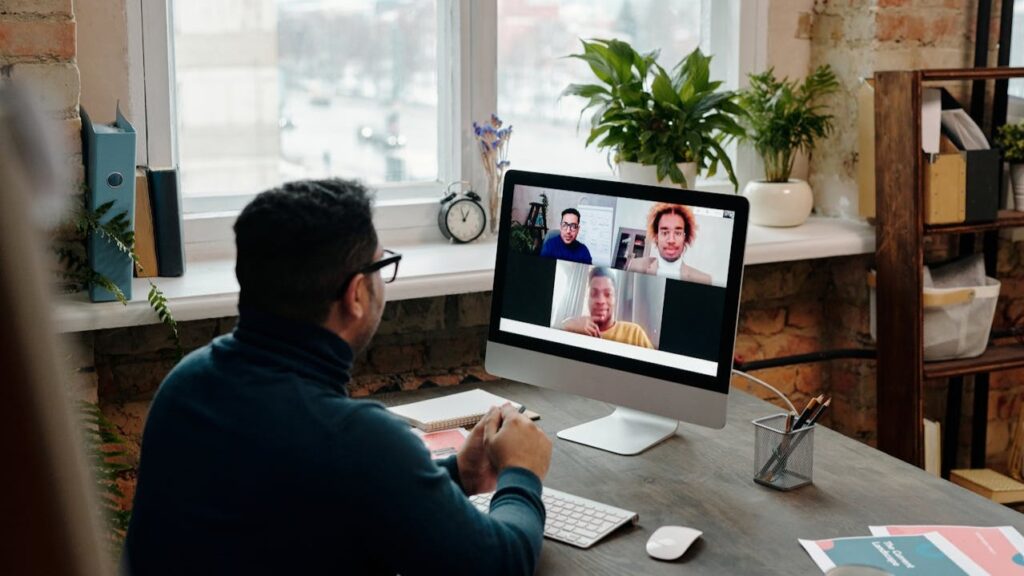

What High Ticket Closer Jobs Remote Are About
High ticket closer jobs remote refer to specialized sales roles where professionals close high-value deals entirely through online or virtual communication channels. These positions focus on selling premium products or services that often range from thousands to tens of thousands in value. The role is heavily performance-based, meaning income is usually tied to commissions rather than fixed salaries. Many companies now rely on remote closers to handle sales conversations because digital business models continue to expand globally. This makes the keyword high ticket closer jobs remote increasingly relevant in today’s online economy.
Unlike traditional sales roles, remote closers are not typically responsible for cold outreach or lead generation. Instead, they work with pre-qualified leads who have already expressed interest in a product or service. This structure allows closers to focus entirely on persuasion, communication, and relationship-building. The job requires confidence, emotional awareness, and a strong understanding of buyer psychology. Companies in the USA, UK, Canada, Australia, UAE, and Singapore frequently hire remote closers due to the scalability of online sales systems.
The appeal of this career path lies in its flexibility and income potential. Many professionals are drawn to remote closing because it can be done from anywhere with a stable internet connection. It also provides an opportunity to work with international clients and global brands. However, success depends heavily on skill development and consistent performance. High ticket closer jobs remote are not passive income roles but rather active, skill-driven positions.
How Remote High Ticket Closing Works
Remote high ticket closing operates through a structured digital sales process that begins long before a closer joins a call. Typically, marketing teams generate leads through ads, webinars, or content funnels. These leads are then filtered and qualified by appointment setters or automated systems. Once qualified, the leads are handed over to closers who conduct the final sales conversations. This system ensures that closers focus only on serious prospects.
The sales conversation usually takes place over Zoom, phone, or similar virtual platforms. During these calls, closers identify needs, build trust, and guide prospects toward a purchasing decision. The process is conversational rather than scripted, although frameworks are often used for consistency. Emotional intelligence plays a major role because decisions are often driven by trust rather than logic alone. Remote closers must adapt quickly to different personalities and objections.
A typical workflow in high ticket closer jobs remote includes:
-
Reviewing lead information before the call
-
Understanding the prospect’s goals and pain points
-
Conducting a structured discovery conversation
-
Presenting a tailored solution aligned with needs
-
Handling objections with clarity and confidence
-
Guiding the prospect toward a final decision
This system allows companies to scale revenue while giving closers a focused and efficient workflow.
Responsibilities of a Remote High Ticket Closer
The responsibilities of a remote high ticket closer extend beyond simply closing deals. They are expected to maintain a professional and structured approach during every interaction. A key responsibility is managing warm leads effectively and ensuring no opportunity is wasted. Closer performance directly impacts company revenue, making accountability a central part of the role. Consistency in communication and follow-ups is also essential.
Closers are also responsible for understanding product details deeply. Without this knowledge, it becomes difficult to address objections or explain value clearly. Many companies expect closers to maintain detailed CRM records after each call. This helps track performance and improve sales strategies over time. Strong organizational skills are therefore essential in this career path.
Common responsibilities include:
-
Managing inbound and warm lead pipelines
-
Conducting persuasive sales conversations
-
Identifying client needs and motivations
-
Overcoming objections professionally
-
Recording call outcomes in CRM systems
-
Meeting monthly and weekly revenue targets
Each responsibility contributes to overall success in high ticket closer jobs remote and requires a disciplined approach.
Skills Needed for High Ticket Closer Jobs Remote
Success in high ticket closer jobs remote depends heavily on skill development rather than formal education. Communication skills are at the core of this profession because every sale depends on how well ideas are conveyed. Closers must also understand emotional triggers that influence buying decisions. This requires strong listening skills and the ability to ask meaningful questions. Confidence without aggression is another key trait.
Sales psychology is an essential area of mastery. Understanding why people buy high-value products helps closers guide conversations more effectively. Time management is also critical since most closers work across different time zones. Adaptability is necessary because no two sales conversations are the same. Remote work environments require discipline and self-motivation to stay productive.
Important skills include:
-
Active listening and communication clarity
-
Emotional intelligence and empathy
-
Objection handling techniques
-
Sales psychology understanding
-
Time management in remote settings
-
Self-discipline and accountability
-
Confidence in high-pressure conversations
Developing these skills significantly increases success in high ticket closer jobs remote.
Industries Hiring Remote High Ticket Closers
Multiple industries actively hire remote closers due to the scalability of digital sales models. Online coaching and mentorship programs are among the largest employers in this field. These businesses rely heavily on high ticket sales to maintain profitability. Digital marketing agencies also hire closers to sell services such as advertising packages and consulting retainers.
Other industries include SaaS companies that sell subscription-based software solutions. Real estate investment firms often use remote closers to pitch property opportunities. Financial education platforms also rely on closers to sell trading or investment programs. Health, fitness, and personal transformation industries frequently use high ticket offers as well.
Industries commonly hiring include:
-
Online coaching and education businesses
-
SaaS and technology companies
-
Digital marketing agencies
-
Real estate investment firms
-
Financial education platforms
-
Health and wellness transformation programs
-
Business consulting firms
These industries create consistent demand for high ticket closer jobs remote worldwide.
Income Potential in Remote High Ticket Closing
Income potential in high ticket closer jobs remote varies significantly based on skill level and commission structure. Most roles operate on a commission-only or hybrid compensation model. Beginners may earn modest commissions at first, while experienced closers can earn substantial monthly incomes. The earning potential is one of the main reasons professionals pursue this career path.
High ticket products often carry commissions ranging from ten percent to forty percent depending on the company. A single sale can generate hundreds or even thousands in earnings. Top performers often close multiple deals per week, significantly increasing income levels. However, consistency is key because income is performance-driven.
Factors affecting income include:
-
Type of product or service sold
-
Commission percentage structure
-
Lead quality and volume
-
Individual closing skill level
-
Industry demand and pricing
-
Consistency in performance
This makes high ticket closer jobs remote both high-risk and high-reward opportunities.
Where to Find High Ticket Closer Jobs Remote
Finding remote closing opportunities requires strategic job searching and networking. Many companies post openings on remote job boards and sales-specific platforms. LinkedIn is one of the most effective tools for connecting with business owners and hiring managers. Networking within sales communities can also lead to direct opportunities.
Some businesses prefer hiring through referrals rather than public job listings. This makes relationship-building an important part of the job search process. Freelance platforms also list remote closing opportunities, although competition can be high. Many closers also reach out directly to coaching programs and agencies.
Common sources include:
-
Remote job boards and marketplaces
-
LinkedIn professional networking
-
Sales-focused online communities
-
Freelance platforms
-
Direct outreach to coaching businesses
-
Digital marketing agencies hiring closers
These channels provide access to global high ticket closer jobs remote opportunities.
Training and Skill Development Pathways
Training is essential for anyone entering high ticket closer jobs remote. Many professionals start with structured sales training programs designed specifically for remote closing. These programs often include role-playing exercises and real-world simulations. Mentorship is another powerful way to accelerate learning in this field. Continuous practice is required to build confidence.
Online courses focusing on sales psychology and communication are also widely available. Many closers improve by reviewing recorded calls and analyzing performance. Personal development plays a major role in long-term success. Consistent learning helps closers adapt to changing market conditions. Skill refinement never truly stops in this career path.
Training methods include:
-
Structured sales courses
-
Mentorship programs
-
Role-playing practice sessions
-
Call recording analysis
-
Psychological sales training
-
Continuous performance feedback
These pathways help build strong foundations in high ticket closer jobs remote.
Tools Used in Remote Closing Roles
Remote closers rely heavily on digital tools to manage their workflow effectively. Customer relationship management systems are essential for tracking leads and conversations. Video conferencing platforms are used for live sales calls. Scheduling tools help organize appointments across different time zones.
Automation tools also assist with follow-ups and email communication. Many companies use analytics software to track performance metrics. Communication tools help remote teams stay connected. These systems ensure smooth operations in distributed sales environments.
Common tools include:
-
CRM platforms for lead tracking
-
Video conferencing tools
-
Scheduling software
-
Email automation systems
-
Sales analytics dashboards
-
Team communication platforms
Mastering these tools improves efficiency in high ticket closer jobs remote.
Landing Your First Remote Closing Role
Securing a first position in high ticket closer jobs remote requires preparation and strategic positioning. A strong resume highlighting sales or communication experience is important. Many employers also evaluate practical sales ability through mock calls. Building a personal brand on LinkedIn can significantly increase visibility.
Networking is often more effective than applying blindly to job listings. Demonstrating confidence during interviews is essential. Employers look for individuals who can communicate value clearly. Even beginners can land opportunities if they show strong potential.
Steps include:
-
Creating a sales-focused resume
-
Building an online professional presence
-
Practicing mock sales conversations
-
Networking with industry professionals
-
Applying to remote sales roles consistently
-
Demonstrating confidence during interviews
These actions improve chances of entering high ticket closer jobs remote successfully.
Challenges in Remote High Ticket Closing
Working in high ticket closer jobs remote comes with challenges that require resilience. One major challenge is handling rejection regularly. Since deals are high value, prospects often take time before deciding. This can create emotional pressure for closers. Staying consistent despite rejection is essential.
Another challenge is income variability due to commission-based structures. Remote environments can also feel isolating without team interaction. Managing different time zones may affect work-life balance. Burnout can occur if performance pressure is not managed effectively. Strong mental discipline is necessary to overcome these challenges.
Appointment Setter vs High Ticket Closer Roles
Appointment setters and high ticket closers work closely together but have different responsibilities. Setters focus on qualifying leads and booking appointments. Closers take over once leads are ready for final conversations. This division allows specialization within sales teams.
Setters typically earn lower commissions compared to closers. However, both roles are essential to the sales process. Many closers start as setters before transitioning into closing roles. Understanding both positions improves overall sales effectiveness.
Freelance, Agency, and In-House Remote Closing Roles
High ticket closer jobs remote exist in different working structures. Freelance closers work independently with multiple clients. Agency closers are part of structured sales teams that manage multiple offers. In-house closers work directly for a single company.
Each model has advantages and limitations. Freelancing offers flexibility but less stability. Agency roles provide training and systems. In-house positions offer consistency but less flexibility. Choosing the right model depends on career goals.
Global Opportunities in Remote Closing
Remote closing has become a global career path with opportunities across multiple regions. Companies in the USA, UK, Canada, Australia, UAE, and Singapore actively hire remote closers. Time zone flexibility allows professionals to work with international clients. This creates a truly borderless job market.
Global demand continues to grow as businesses shift online. Many companies prefer remote talent due to cost efficiency and scalability. This expansion increases access to high ticket closer jobs remote for professionals worldwide. Cultural adaptability is becoming an important skill in global sales environments.
Future of Remote High Ticket Closing Careers
The future of high ticket closer jobs remote remains strong as digital commerce continues to grow. More businesses are moving toward online sales systems. While automation and AI are evolving, human persuasion still plays a critical role in high-value sales. Emotional connection cannot be fully replaced by technology.
Remote sales roles are expected to expand further across industries. New digital products and services will continue to require skilled closers. Continuous learning will remain essential for long-term success. The profession is likely to evolve rather than disappear.
Frequently Asked Questions
What are high ticket closer jobs remote
These are remote sales roles focused on closing high-value deals through virtual communication platforms.
Do remote closers need experience
Experience helps, but many companies offer training for beginners with strong communication skills.
How much can be earned in this role
Income varies widely based on performance, commission structure, and industry.
Are these jobs available globally
Yes, many companies hire remote closers from regions including the USA, UK, Canada, Australia, UAE, and Singapore.
What skills matter most
Communication, emotional intelligence, sales psychology, and discipline are essential.
Key Takeaway
High ticket closer jobs remote offer a performance-driven career path with significant income potential for individuals who develop strong communication and sales skills. The role requires discipline, adaptability, and continuous learning in a competitive global marketplace.