Understanding High Ticket Closer Jobs Remote
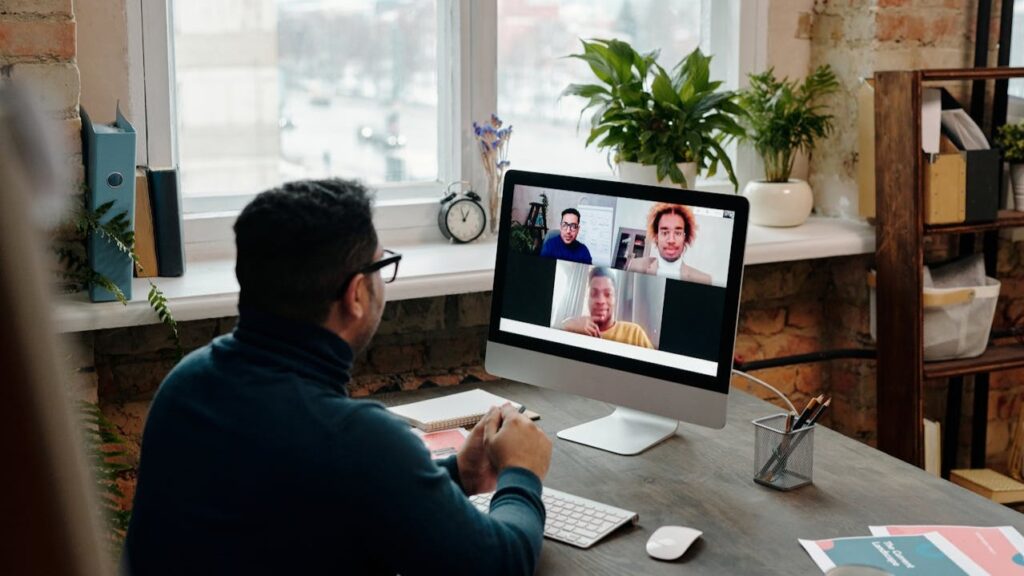
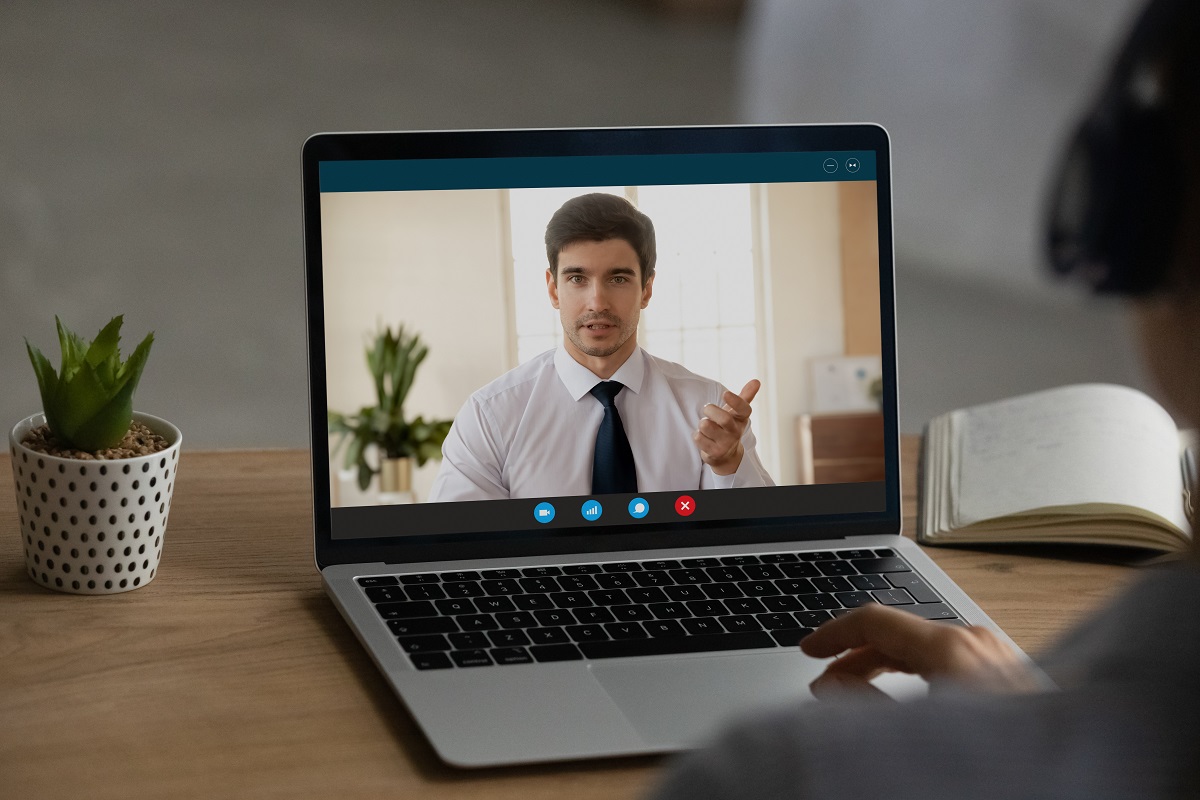
High ticket closer jobs remote refer to specialized sales roles where professionals sell high-value products or services entirely online or through virtual communication channels. These roles are centered on closing premium offers that often range from thousands to tens of thousands of dollars per sale. Businesses rely heavily on these closers because high-value purchases usually require trust, clarity, and strong persuasion skills that go beyond automated marketing. In a remote setup, closers operate from anywhere while engaging with qualified leads through phone calls, video calls, and digital communication tools. This career path has grown significantly as more companies shift toward online business models and global client acquisition strategies. The keyword “high ticket closer jobs remote” reflects a rapidly expanding opportunity in the digital sales economy. Many individuals are drawn to this role because of its flexibility and performance-based income structure. The role demands both emotional intelligence and strategic communication to guide buyers toward confident decisions.
How Remote High Ticket Closing Works in Today’s Digital Economy
Remote high ticket closing operates within a structured digital sales ecosystem designed to convert warm leads into paying clients. Prospects typically enter a sales funnel through advertising, webinars, or lead magnets before speaking with a closer. Once qualified, these leads are handed off to a high ticket closer who engages them in a personalized sales conversation. The process is heavily relationship-driven, even though it happens virtually. Technology plays a key role in ensuring smooth communication and tracking throughout the pipeline.
In most systems, the closer is not responsible for cold outreach but instead focuses on conversion. The digital economy has made it possible for closers to work across industries and time zones without geographical limitations. Companies invest heavily in lead generation so closers can focus entirely on closing deals. This separation of roles improves efficiency and increases revenue potential for businesses and professionals alike.
Core Responsibilities of a Remote High Ticket Closer
The responsibilities in high ticket closer jobs remote are centered on guiding prospects through high-value purchase decisions. A closer must understand the client’s needs, identify pain points, and align solutions effectively. Each conversation is structured yet flexible enough to allow natural dialogue and trust-building. Strong listening skills are essential because clients often reveal critical buying signals during discussions.
Core responsibilities include:
-
Conducting discovery and qualification calls
-
Building rapport and trust quickly in virtual environments
-
Presenting offers in a clear and compelling manner
-
Handling objections with confidence and professionalism
-
Guiding prospects toward confident purchasing decisions
-
Documenting call outcomes in CRM systems
-
Following up with leads who need additional time
Each of these responsibilities requires precision and emotional awareness. Remote closers must adapt quickly to different personality types and communication styles. The ability to stay calm under pressure directly influences closing success rates.
Skills Required to Succeed in High Ticket Closer Jobs Remote
Success in high ticket closer jobs remote depends on a combination of technical sales knowledge and interpersonal skills. Communication is the foundation, but persuasion and emotional intelligence elevate performance significantly. Remote closers must also be self-disciplined since they often work independently without direct supervision. Confidence plays a major role when discussing high-value offers with skeptical prospects.
Key skills include:
-
Advanced communication and storytelling ability
-
Negotiation techniques for premium pricing
-
Strong objection handling strategies
-
Time management and productivity discipline
-
Confidence in high-stakes conversations
-
Adaptability in different sales scenarios
Beyond technical skills, mindset is equally important. High performers consistently improve through feedback, practice, and self-reflection. Remote environments reward consistency and resilience more than occasional talent spikes.
Sales Psychology Behind High Ticket Closing
Sales psychology plays a critical role in high ticket closer jobs remote because purchasing decisions are deeply emotional. Even when buyers believe they are making logical decisions, emotions often drive final choices. High ticket closers must understand how trust, urgency, and perceived value influence behavior.
Buyers are more likely to invest in high-value offers when they feel understood and confident in the solution. Emotional triggers such as aspiration, fear of missing out, and transformation potential often influence decisions. Ethical persuasion is essential, ensuring that closers guide rather than pressure prospects. Building trust quickly in remote environments requires intentional communication strategies.
Psychological principles used in closing include:
-
Establishing authority through expertise
-
Creating emotional connection during conversations
-
Framing value relative to cost
-
Highlighting transformation outcomes
-
Addressing objections with empathy
Understanding these principles allows closers to navigate conversations more effectively and increase conversion rates without being aggressive.
Industries Actively Hiring Remote High Ticket Closers
High ticket closer jobs remote are available across multiple industries that sell premium digital or service-based products. These industries rely heavily on skilled closers to convert leads into high-value clients. As online business continues to expand, demand for remote closers has increased significantly.
Common industries include:
-
Online coaching and mentorship programs
-
Digital marketing agencies
-
SaaS and software companies
-
Real estate investment education
-
Financial and wealth-building services
-
E-learning and certification platforms
Each industry has unique sales cycles and customer expectations. For example, coaching programs may require emotional storytelling, while SaaS products require technical understanding. Despite differences, the core closing principles remain consistent across all industries.
Day-to-Day Workflow of a Remote High Ticket Closer
The daily routine of a remote high ticket closer is structured around scheduled sales calls and preparation activities. Most closers begin their day reviewing lead information to understand prospect backgrounds. Preparation is critical because personalized conversations significantly improve closing rates.
A typical workflow includes:
-
Reviewing CRM dashboards for upcoming calls
-
Analyzing lead history and engagement behavior
-
Conducting scheduled sales conversations
-
Recording notes and outcomes after each call
-
Following up with undecided prospects
-
Collaborating with appointment setters and sales teams
Time management is essential because each call carries high revenue potential. Closers must remain mentally sharp throughout the day to maintain performance consistency. Remote work flexibility allows professionals to optimize their environment for peak productivity.
Tools and Technology Used in Remote Closing Roles
Technology supports every aspect of high ticket closer jobs remote by streamlining communication and tracking performance. Without these tools, managing multiple leads and conversations would be inefficient. Modern sales ecosystems rely heavily on automation and CRM platforms.
Common tools include:
-
CRM systems like HubSpot and Salesforce
-
Video conferencing tools such as Zoom
-
Communication platforms like Slack or email systems
-
Scheduling tools for appointment booking
-
Sales tracking dashboards and analytics software
These tools help closers stay organized and maintain visibility across their pipeline. Automation reduces administrative workload, allowing more time for actual selling. Efficient tool usage often separates average performers from top closers.
How to Get Started in High Ticket Closer Jobs Remote
Breaking into high ticket closer jobs remote requires preparation, practice, and strategic positioning. Many professionals begin by learning foundational sales principles before applying for roles. Entry points often include working with agencies or training programs that specialize in high ticket sales.
Steps to begin include:
-
Learning basic sales communication frameworks
-
Practicing objection handling scenarios
-
Studying buyer psychology principles
-
Applying to entry-level closing or sales roles
-
Networking within digital marketing communities
-
Building a performance tracking system
Consistency in skill development is more important than immediate success. Many successful closers start without prior experience but improve rapidly through practice and mentorship.
Training Paths and Skill Development Options
Training plays a major role in developing competence in high ticket closer jobs remote. Many professionals invest in structured programs that teach real-world sales scenarios. Mentorship is especially valuable because it provides direct feedback from experienced closers. Role-playing exercises help simulate real conversations and improve confidence.
Skill development methods include:
-
Online sales training courses
-
One-on-one mentorship programs
-
Live call review sessions
-
Script practice and refinement
-
Continuous self-study of sales psychology
Improvement in this field is ongoing rather than one-time. Top performers constantly refine their approach based on real call outcomes and feedback.
Income Potential in High Ticket Closer Jobs Remote
Income in high ticket closer jobs remote is primarily commission-based, making earnings highly performance-driven. Closers can earn substantial income depending on conversion rates and deal size. Unlike traditional jobs, there is no fixed ceiling on earnings.
Factors influencing income include:
-
Price point of the product or service
-
Individual closing conversion rates
-
Volume of qualified leads provided
-
Industry and offer structure
-
Experience level and negotiation skills
Beginners may start modestly, but experienced closers often scale into six-figure or higher annual incomes. The performance-based structure rewards skill development and consistency.
Common Challenges in Remote High Ticket Closing
Despite its opportunities, high ticket closer jobs remote come with challenges that require resilience. One of the most common difficulties is dealing with rejection. Not every prospect will convert, even with strong communication. Remote work can also feel isolating without team interaction.
Other challenges include:
-
Managing inconsistent sales cycles
-
Staying motivated without supervision
-
Handling high-pressure conversations
-
Dealing with skeptical or hesitant prospects
-
Maintaining emotional balance after rejections
Overcoming these challenges requires discipline and mental strength. Successful closers view rejection as part of the process rather than a setback.
Career Growth Path for Remote High Ticket Closers
Career growth in high ticket closer jobs remote extends beyond individual sales performance. Many professionals transition into leadership or consulting roles over time. As experience grows, opportunities expand significantly.
Growth paths include:
-
Senior closer or team lead positions
-
Sales manager or director roles
-
Independent sales consulting
-
Training and mentorship programs
-
Entrepreneurship and agency building
This career path is flexible, allowing individuals to scale both income and responsibility. Long-term success often involves combining closing skills with business strategy.
Mistakes to Avoid in Remote High Ticket Closing
Many beginners in high ticket closer jobs remote make avoidable mistakes that affect performance. One common issue is relying too heavily on scripts without adapting to conversation flow. Another mistake is failing to properly qualify leads before investing time in calls.
Other mistakes include:
-
Ignoring emotional buying signals
-
Weak follow-up communication
-
Over-talking instead of listening
-
Lack of preparation before calls
-
Inconsistent performance tracking
Avoiding these mistakes significantly improves conversion rates and long-term success. Continuous learning is essential in this competitive field.
Frequently Asked Questions About High Ticket Closer Jobs Remote
What does a remote high ticket closer do daily?
A remote high ticket closer conducts sales calls, qualifies leads, handles objections, and guides prospects toward purchasing high-value offers. The role is primarily focused on conversion rather than cold outreach. Daily tasks also include CRM updates and follow-ups.
Do I need sales experience to get started?
No prior experience is required, but foundational sales training is highly beneficial. Many beginners enter the field through structured training programs or mentorship opportunities. Skills develop quickly with consistent practice.
How long does it take to become proficient?
Most individuals see improvement within a few months of consistent practice. Mastery depends on dedication, feedback, and exposure to real sales calls. Continuous learning accelerates progress.
Are remote high ticket closer jobs legitimate?
Yes, many legitimate companies hire remote closers across various industries. However, it is important to research companies and ensure they have proven products and ethical sales practices.
What industries pay the highest commissions?
Industries like coaching, SaaS, financial services, and real estate education often offer the highest commissions due to premium pricing structures.
Can beginners succeed in this career path?
Yes, beginners can succeed if they commit to training and consistent practice. Many top closers started without prior experience but developed skills over time.
What is the average income potential?
Income varies widely based on performance, but experienced closers can earn significant commissions. Earnings increase with skill level, confidence, and deal size.
Takeaway
High ticket closer jobs remote represent one of the most dynamic opportunities in the modern digital sales landscape. This career path blends communication, psychology, and performance-based income potential into a flexible remote profession. Success depends on skill development, emotional intelligence, and consistent execution in real sales conversations. As industries continue shifting online, demand for skilled closers will only continue to grow.