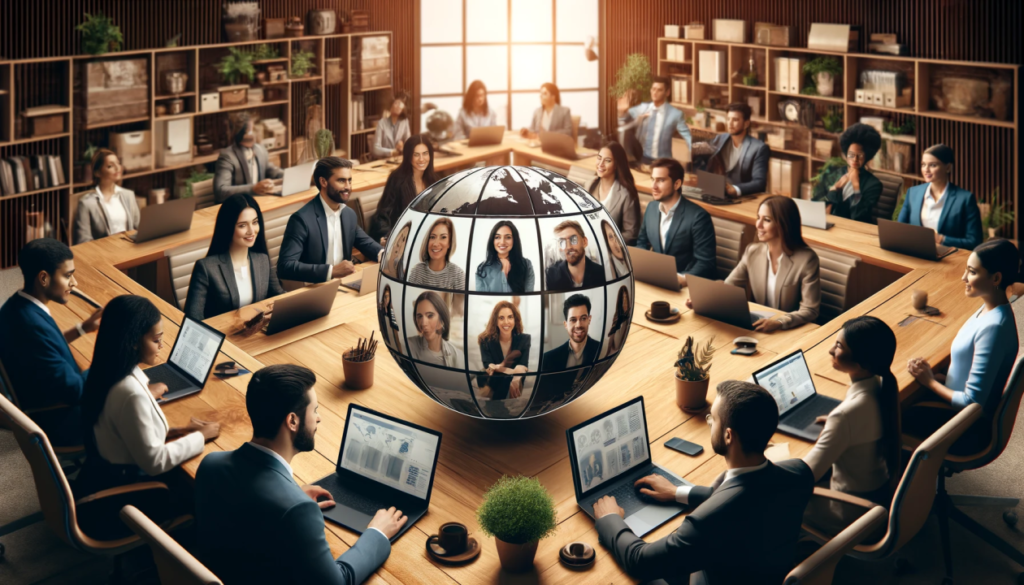

A remote inbound closer plays a vital role in modern sales systems where buying decisions happen quickly and often online. This role focuses on managing warm leads who have already expressed interest in a product or service, making the conversation more about guidance than pressure. Businesses today rely heavily on inbound sales because customers prefer seeking information first, then connecting with someone who can help them make a confident choice. With more companies shifting to digital and hybrid models, remote closing has become a central part of long-term revenue building. People who thrive in communication, trust-building, and solution-driven conversations often excel in this path. The shift toward remote operations has made the ability to manage leads virtually a top priority for high-growth companies. Understanding what a remote inbound closer does is the first step toward mastering this high-income skill.
Understanding the Role and Purpose of a Remote Inbound Closer
A remote inbound closer handles calls, messages, and inquiries from potential customers who have already shown interest in what a business offers. Unlike outbound roles that require initiating conversations from cold lists, inbound closing focuses on guiding warm leads through their final decision-making process. This means the closer’s main responsibility is to understand the prospect’s needs and match those needs to the best solution. Remote inbound closers rely heavily on effective communication because they rarely meet prospects face-to-face. They must be skilled at reading tone, pacing, and emotional cues through phone or video calls. Their approach is trust-driven, meaning prospects should feel supported, not pushed. By becoming a strategic listener, a remote inbound closer helps prospects experience clarity, certainty, and confidence.
Why Remote Inbound Closers Are Increasingly Essential
The demand for remote inbound closers has grown as digital businesses continue to expand. Companies with online funnels, webinars, landing pages, and content marketing generate a constant stream of warm leads that need human interaction before purchasing. As a result, businesses need closers who can step in and convert interest into revenue. Remote roles also allow companies to hire talent globally, making it easier to build strong teams without geographic limits. Another contributor to demand is the rise of service-based industries such as coaching, consulting, SaaS, and digital education. These industries thrive on trusted conversations, and skilled inbound closers can dramatically increase conversions. Meanwhile, buyers today prefer talking to experts rather than salespeople. This shift positions remote inbound closers as advisors who guide, support, and inform. For individuals seeking flexible, high-paying remote work, the role offers both opportunity and stability.
Key Skills Every Remote Inbound Closer Should Develop
The best remote inbound closers rely on a blend of communication, psychology, and strategic questioning. Active listening is especially important because many prospects reveal their motivations indirectly. Strong rapport-building skills help create a comfortable space where prospects feel understood. Understanding buyer psychology allows the closer to identify emotional drivers that support decision-making. The ability to ask thoughtful, open-ended questions encourages deeper conversations. Remote closers also benefit from time management and self-discipline since they work independently. Technical fluency with virtual tools ensures seamless communication. Developing these skills takes consistent practice, but those who master them gain a significant edge in the sales industry.
Daily Responsibilities and Workflow of a Remote Inbound Closer
Remote inbound closers manage a structured daily workflow built around handling pre-qualified leads. They spend most of their time conducting discovery calls, helping prospects clarify what they need, and providing relevant solutions. They present offers in a way that centers on value and outcomes, rather than pressure. When objections arise, they use empathy and clear reasoning to address concerns. Follow-up is another major responsibility, as not every prospect is ready on the first call. Here are some typical daily tasks for remote inbound closers:
● Reviewing lead information before calls
● Conducting discovery and decision calls
● Updating CRM systems
● Sending follow-up messages
● Reviewing personal KPIs
● Collaborating with marketing and other sales team members
A consistent workflow allows remote closers to maintain momentum and deliver predictable results every week.
Tools and Technologies That Support Remote Inbound Closing
Remote inbound closers rely on digital tools to perform efficiently and maintain accurate communication records. CRM platforms help track lead activity, call notes, pipeline stages, and conversion metrics. Call analytics software enables closers to review their performance and identify areas for improvement. Video conferencing platforms support face-to-face conversations, which often lead to higher conversions in industries like coaching and consulting. Scheduling tools help automate meeting setups and reduce friction for prospects. Proposal and e-signature tools streamline the final step of closing deals. By mastering these tools, remote inbound closers can work efficiently and stay organized in fast-paced environments. These systems also help businesses maintain consistency, track growth, and support scaling efforts.
How Remote Inbound Closers Drive Business Growth
Remote inbound closers play a powerful role in increasing revenue by converting warm leads into paying customers. They shorten the sales cycle by guiding prospects through uncertainties that slow them down. When closers build strong rapport and provide clarity, buyers feel more confident about their decision. Their conversations help reduce hesitation and improve conversion percentages across multiple customer segments. Remote inbound closers also increase repeat business by giving buyers a positive experience from the start. They help increase lifetime customer value by reinforcing trust and creating long-term relationships. As digital sales funnels grow more sophisticated, remote closers become the essential final step that transforms interest into measurable results.
Training and Learning Pathways for Aspiring Remote Inbound Closers
There are many training paths for people who want to enter the remote inbound closing field. Sales coaching programs teach skills such as objection handling, rapport-building, and consultative communication. High-ticket closing training is popular among those who want to specialize in premium offers. Many online platforms provide short courses for beginners looking to understand the basics. Practice calls and role-play scenarios help refine communication and build confidence. Aspiring closers also benefit from mentorship, peer support, and feedback-based learning. With consistent training, beginners can grow into highly skilled professionals who perform well in competitive industries. This career path rewards continuous improvement and willingness to learn.
Career Growth, Income Potential, and Opportunities
Remote inbound closers often enjoy strong earning potential because many roles offer commission-based pay. The more skilled the closer becomes, the higher the income opportunities. Many closers start by handling basic inbound calls before moving into high-ticket offers where commissions are significantly larger. Career paths include roles such as sales team lead, sales strategist, or even trainer for other closers. Industries such as coaching, SaaS, real estate, financial services, and healthcare actively hire remote closers. Some professionals shift into freelancing, offering closing services to multiple companies at once. This gives them freedom, flexibility, and higher income potential. The remote inbound closer role remains one of the most attractive sales careers for individuals seeking flexibility and long-term growth.
FAQ
What does a remote inbound closer do
A remote inbound closer handles calls from warm leads, guides their decision process, and helps them understand the best solution for their needs.
Do you need experience to start
Many beginners start with training and gradually build skills through coaching and practice.
Which industries hire remote inbound closers
Coaching, consulting, SaaS, finance, healthcare, and digital education are among the top employers.
How much can a remote inbound closer earn
Income varies by company, offer, and commission structure, but many earn competitive pay with high earning potential.
Do you need special tools to work
Yes, CRM systems, communication tools, scheduling apps, and e-signature platforms are essential.
Is certification required
Not always, but training programs can significantly improve skills and confidence.
Takeaway
A remote inbound closer plays a critical role in today’s digital business landscape by transforming warm leads into committed customers. With a strong understanding of buyer psychology, effective communication skills, and the ability to build trust remotely, this role offers substantial earning potential and long-term career growth. Mastery comes through consistent practice, ongoing learning, and a willingness to adapt to evolving sales environments.