
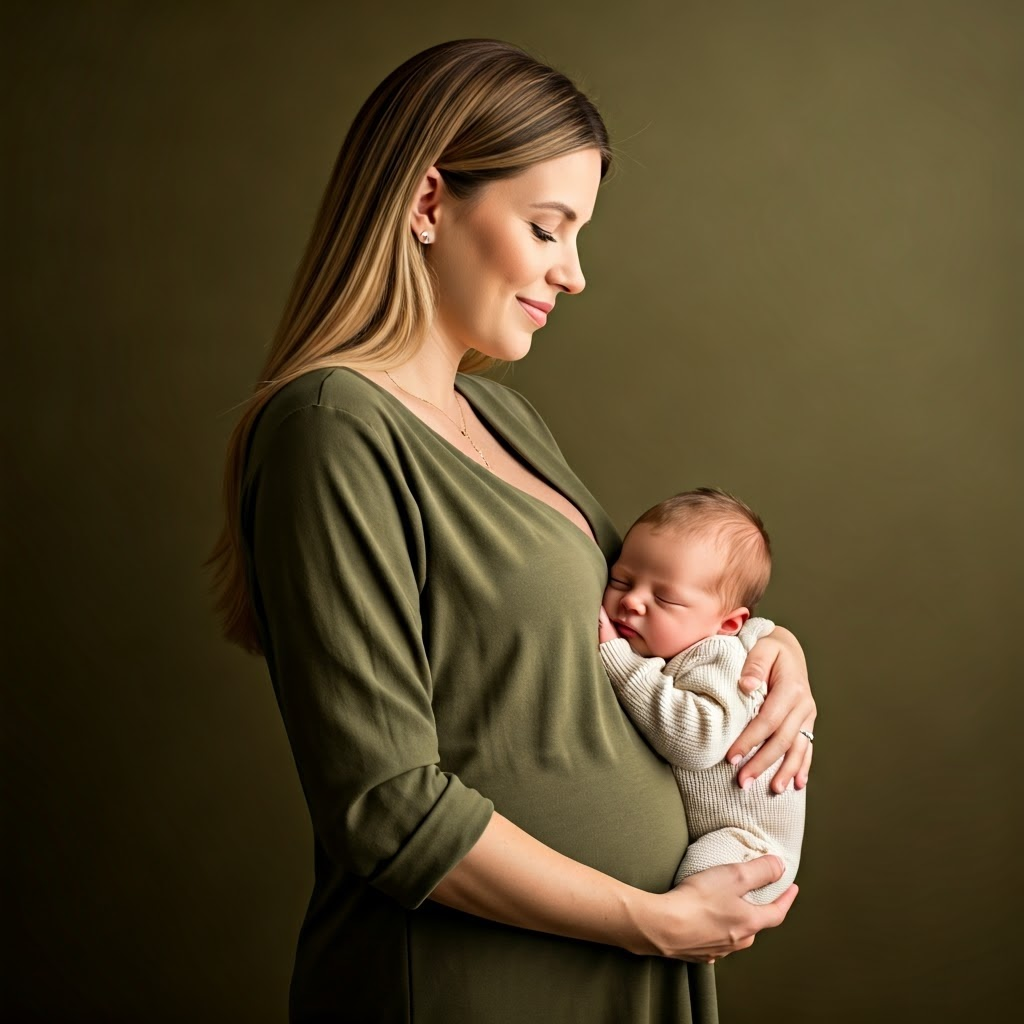
Understanding the Role of a Postpartum Coach
A postpartum coach is a professional trained to guide new mothers through the complex journey after childbirth. This role focuses on supporting physical recovery, emotional well-being, and lifestyle adjustments during the postpartum period. Unlike traditional healthcare providers, postpartum coaches provide continuous guidance tailored to the mother’s unique needs, addressing areas such as nutrition, sleep, mental health, and family dynamics. They help mothers develop coping strategies for challenges like anxiety, mood swings, or relationship adjustments. Postpartum coaches also educate families about newborn care, bonding techniques, and creating healthy routines. With the rise of awareness about maternal mental health, the demand for certified postpartum professionals has increased dramatically. Becoming a postpartum coach equips you with the knowledge and confidence to make a meaningful impact in a mother’s transition into parenthood.
Benefits of Becoming a Certified Postpartum Coach
Earning a postpartum coach certification brings numerous professional and personal advantages. Certification provides credibility and recognition, demonstrating expertise in supporting mothers during one of life’s most vulnerable stages. It opens doors to various career opportunities, including private coaching, hospital partnerships, wellness centers, and online consultations. Certified coaches gain the ability to build trust and establish stronger relationships with clients, which leads to higher engagement and retention. Beyond career growth, the certification process deepens understanding of postpartum challenges, enhancing empathy and coaching skills. Many certified coaches also find personal fulfillment in empowering mothers and improving family wellness. Ultimately, certification serves as a professional milestone that validates knowledge, enhances marketability, and positions coaches as trusted experts in the maternal wellness space.
Core Competencies and Skills Required
To become an effective postpartum coach, certain competencies and skills are essential. Emotional intelligence is crucial for understanding and responding to clients’ needs with empathy and compassion. Active listening allows coaches to identify underlying concerns and provide meaningful guidance. Knowledge of postpartum health, recovery, and wellness ensures recommendations are safe and evidence-based. Coaches must also be equipped to address mental health concerns, including postpartum depression and anxiety, while recognizing when to refer clients to medical professionals. Strong communication and coaching techniques help maintain engagement and motivate clients to implement lifestyle changes. Organizational skills are important for managing multiple clients, scheduling sessions, and tracking progress. Developing these skills not only enhances client satisfaction but also establishes the coach’s reputation as a reliable and professional postpartum support provider.
Certification Programs and Accreditation
Postpartum coach certification programs vary widely, offering both online and in-person options to accommodate different learning styles. Accredited programs ensure that the curriculum meets professional standards and prepares coaches for real-world practice. Typically, certification programs cover topics such as postpartum recovery, maternal mental health, newborn care, and coaching methodologies. Duration and costs can vary, ranging from a few weeks to several months, depending on the depth of the program. Accredited programs may be offered by professional coaching organizations, maternal wellness institutes, or online platforms specializing in health coaching. Choosing a program with recognized accreditation can increase credibility and attract more clients. Additionally, many programs provide mentorship, practical exercises, and resource materials, helping students transition smoothly from learning to practice.
Curriculum Insights
The curriculum of a postpartum coach certification program is designed to equip learners with both theoretical knowledge and practical skills. Common topics include postpartum nutrition, gentle exercise routines, stress management techniques, and guidance on infant care. Mental wellness is a central focus, with modules addressing postpartum depression, anxiety, and emotional resilience. Coaches also learn effective communication strategies, goal-setting methods, and client-centered approaches to coaching. Many programs incorporate practical exercises such as mentorship sessions, role-playing, or supervised client interactions. Resource materials, including guides, templates, and toolkits, help coaches deliver professional services immediately after certification. Completing such a curriculum ensures that certified postpartum coaches can provide comprehensive, compassionate, and evidence-based support to new mothers.
Career Opportunities for Certified Postpartum Coaches
Certified postpartum coaches have access to a variety of career paths tailored to their interests and expertise. Private coaching allows flexibility in scheduling sessions, conducting home visits, or offering virtual consultations to mothers worldwide. Collaborations with hospitals, clinics, and wellness centers provide opportunities to reach a wider audience and integrate coaching with medical support. Group workshops and community support programs allow coaches to create educational sessions for multiple families simultaneously. Some certified coaches choose freelance paths, producing content, e-books, or online courses focused on maternal wellness. Others may specialize in niches such as postpartum mental health, fitness recovery, or holistic nutrition. The versatility of career options enables coaches to align professional work with personal passion, making postpartum coaching a rewarding and sustainable career choice.
How Certification Enhances Client Support
Certification equips postpartum coaches with the tools and knowledge to deliver personalized support that meets each mother’s unique needs. It ensures coaches can create tailored postpartum plans that address physical recovery, emotional health, and family dynamics. Certified coaches are trained to recognize signs of postpartum depression, anxiety, or other complications, enabling timely referrals to medical professionals. They use evidence-based strategies to guide clients through lifestyle adjustments, stress management, and nutrition planning. Certification also fosters credibility, helping mothers trust that they are receiving professional and informed guidance. With structured training, coaches can confidently handle complex situations, from managing sleep routines to facilitating partner involvement in caregiving. Overall, certification allows coaches to enhance the overall postpartum experience for clients, ensuring mothers feel supported, empowered, and understood.
Steps to Becoming a Certified Postpartum Coach
Becoming a certified postpartum coach begins with researching and selecting a reputable certification program that aligns with your goals. It is essential to consider program accreditation, curriculum quality, delivery method, and cost before enrolling. Once enrolled, students complete coursework covering maternal wellness, coaching skills, and practical strategies for postpartum support. Gaining hands-on experience through mentorship or supervised client interactions helps build confidence and competence. After completing the required modules, graduates receive their certification, which can be displayed professionally to attract clients. Promoting credentials through a website, social media, or professional networks can help generate leads and establish a coaching practice. Continuous professional development ensures that certified coaches stay updated on best practices, emerging research, and evolving client needs.
Frequently Asked Questions (FAQ)
What qualifications do I need before enrolling in a postpartum coach certification program?
Most programs require a high school diploma or equivalent, though some may prefer candidates with backgrounds in healthcare, wellness, or coaching.
How long does it typically take to get certified?
Certification programs vary, with most taking between 6 weeks to 6 months, depending on program intensity and delivery method.
Can I pursue certification online or do I need to attend in person?
Many programs offer flexible online options, allowing learners to complete coursework and practical exercises virtually, while some provide in-person experiences for hands-on practice.
What is the average cost of certification programs?
Costs can range from $500 to $2,500, depending on program duration, accreditation, and included resources such as mentorship or coaching materials.
How can I start building a client base after certification?
Networking through social media, partnering with local hospitals or wellness centers, offering free workshops, and creating an online presence are effective strategies to attract clients.
Takeaway:
Postpartum coach certification opens doors to a meaningful career helping mothers navigate one of life’s most transformative phases. With specialized training, accredited programs, and practical experience, certified coaches are uniquely equipped to provide comprehensive and compassionate support. By combining empathy, knowledge, and professional guidance, postpartum coaches play a vital role in improving maternal wellness and fostering confident, healthy families.